
Introduction
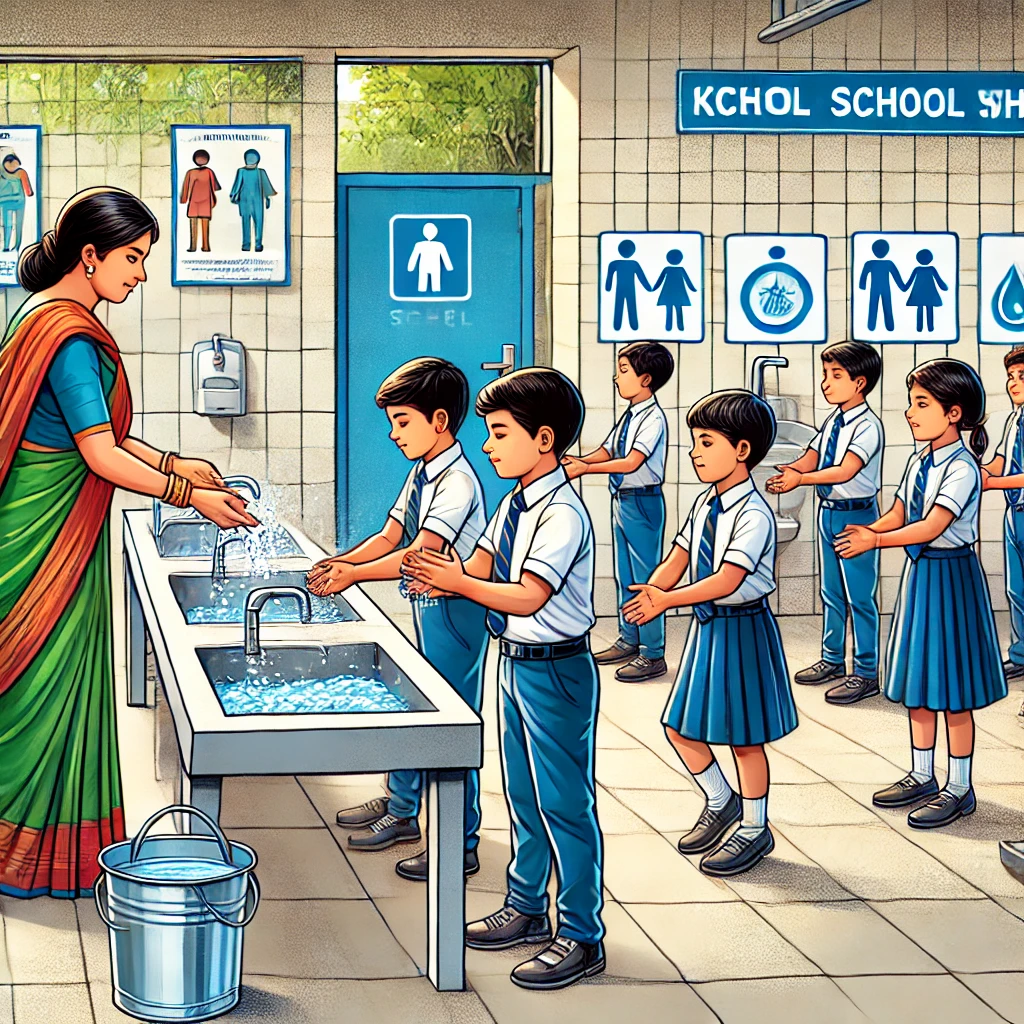
Access to clean water, sanitation, and hygiene (WASH) is a fundamental right and a cornerstone of a healthy learning environment. Schools play a crucial role in shaping the hygiene habits of children, impacting not just their health but also their academic performance and overall well-being. Recognizing this, KKS Social Welfare Trust has initiated a dedicated WASH program for schools, aiming to create sustainable solutions that ensure safe water, proper sanitation, and hygiene education for students.
The Need for WASH in Schools
According to global reports, millions of children worldwide lack access to basic WASH facilities in schools. This results in:
- Increased absenteeism due to waterborne diseases.
- Poor academic performance linked to hygiene-related illnesses.
- Gender inequality, as the absence of proper sanitation disproportionately affects girls.
- Lack of awareness about personal hygiene, leading to long-term health issues.
To address these challenges, KKS Social Welfare Trust’s WASH program is focused on providing holistic solutions that empower schools with sustainable infrastructure, education, and community engagement.
Key Components of the WASH Program
1. Safe Drinking Water
Ensuring access to clean and safe drinking water is a top priority. The program facilitates:
- Installation of water filtration and purification systems in schools.
- Regular testing and monitoring of water quality.
- Training students and teachers on water conservation and safety.
2. Improved Sanitation Facilities
A lack of proper sanitation facilities can deter students, especially adolescent girls, from attending school. The program focuses on:
- Constructing gender-sensitive toilets with proper handwashing stations.
- Upgrading existing sanitation facilities to meet hygiene standards.
- Ensuring proper maintenance and waste management systems.
3. Hygiene Awareness & Behavioral Change
Infrastructure alone isn’t enough; behavioral change is key. The program promotes:
- Hygiene education through interactive workshops and awareness campaigns.
- Encouraging handwashing practices with soap through school-led initiatives.
- Special focus on menstrual hygiene management (MHM) for adolescent girls, including education and distribution of sanitary products.
4. Community Engagement & Sustainability
To make the initiative long-lasting and impactful, the program engages:
- Teachers and school staff in WASH training to ensure sustainability.
- Parents and local communities to reinforce hygiene habits beyond school premises.
- Collaboration with government and corporate CSR programs to expand reach and impact.
Impact of the WASH Program
By implementing WASH facilities and education, KKS Social Welfare Trust has been able to:
✔️ Improve school attendance rates, particularly among girls.
✔️ Reduce instances of waterborne diseases and hygiene-related illnesses.
✔️ Foster a culture of hygiene awareness that extends to families and communities.
✔️ Encourage schools to adopt eco-friendly practices, including water conservation and waste management.
How You Can Support the WASH Mission
Creating a hygienic school environment is a shared responsibility. You can contribute by:
🔹 Volunteering to conduct hygiene education sessions in schools.
🔹 Donating towards the construction of WASH infrastructure.
🔹 Encouraging corporate CSR partnerships to expand the program’s reach.
🔹 Advocating for policy support to integrate WASH programs in all schools.
Conclusion
KKS Social Welfare Trust’s WASH in Schools program is not just about providing toilets and clean water—it’s about creating a healthier future for children. With collective action and sustained efforts, we can ensure that every child has the right to study in a clean, safe, and dignified environment.
Join us in our mission to bring hygiene and health to schools. Together, we can make a lasting impact!
#WASHinSchools #HygieneForAll #KKSsocialWelfareTrust #CSRforEducation


Wonderful ♥️
LikeLike