
Introduction
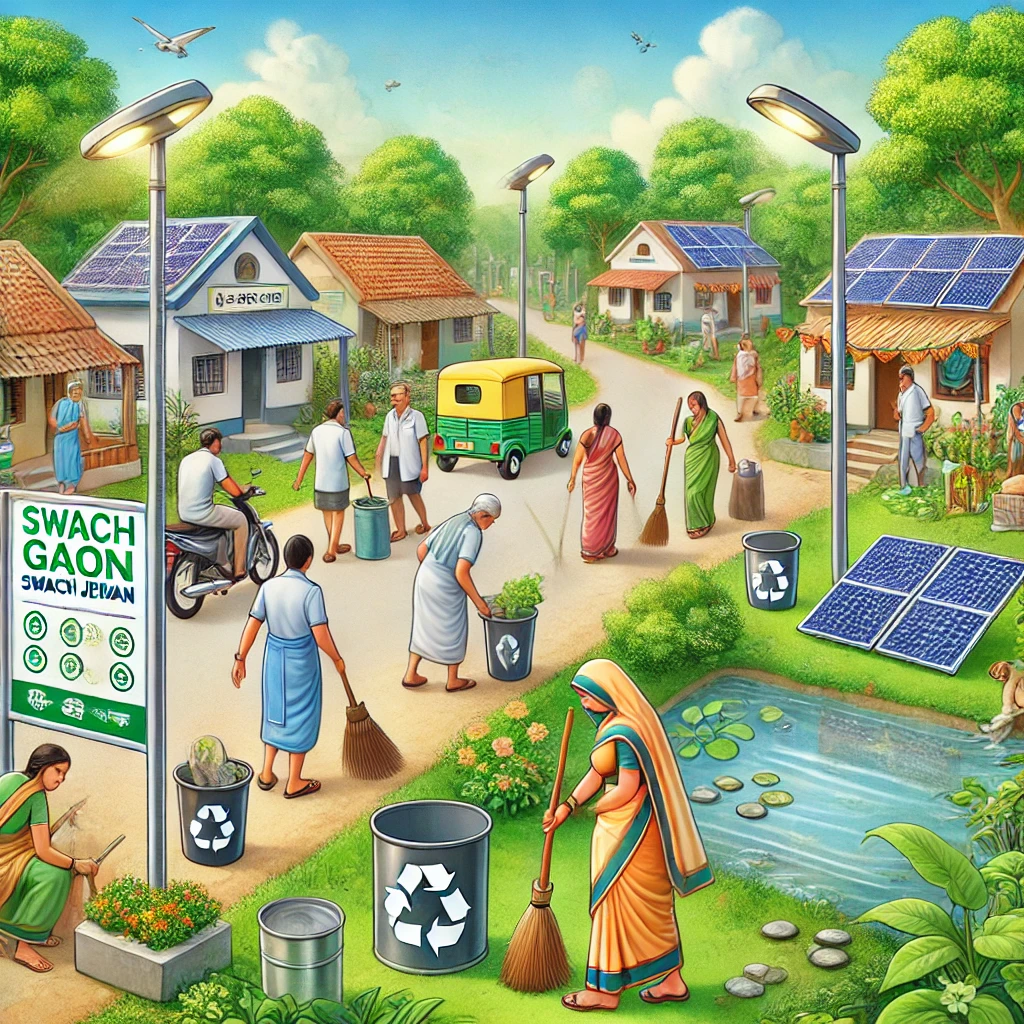
“Swasth Gaon, Swachh Jeevan” (Healthy Village, Clean Life) is a holistic village-level hygiene program aimed at improving sanitation, personal hygiene, and waste management in rural communities. This initiative focuses on repairing and maintaining public and school toilets, menstrual hygiene management, and community awareness programs, ensuring a cleaner and healthier living environment for all.
Poor sanitation and hygiene remain major challenges in rural areas, contributing to diseases, poor school attendance, and environmental degradation. Through this program, we aim to create sustainable hygiene solutions by empowering communities, leveraging technology, and promoting behavioral change.
Key Components of “Swasth Gaon, Swachh Jeevan”
1. Repair and Maintenance of Public & School Toilets
- Conducting surveys to assess the condition of existing toilets in schools and public spaces.
- Renovating broken toilets, installing proper drainage, and ensuring access to water.
- Appointing local maintenance teams to oversee cleanliness and repairs.
- Introducing smart monitoring systems to track toilet maintenance in real time.
2. Menstrual Hygiene Management (MHM)
- Installing menstrual pad dispensing machines in schools and community centers.
- Setting up eco-friendly sanitary pad disposal and incineration units to prevent waste accumulation.
- Conducting awareness sessions on menstrual health and hygiene for adolescent girls and women.
- Promoting reusable and biodegradable sanitary products to ensure sustainability.
3. Handwashing and Personal Hygiene Awareness
- Establishing handwashing stations with clean water and soap in schools and public areas.
- Organizing campaigns and workshops to educate children and families about personal hygiene.
- Encouraging household adoption of clean drinking water and safe food handling practices.
4. Community Participation and Behavioral Change
- Training village health workers and self-help groups (SHGs) to advocate for hygiene practices.
- Launching village cleanliness drives and competitions to engage residents.
- Encouraging door-to-door awareness campaigns on waste management and hygiene.
- Implementing reward systems for villages and schools that maintain high sanitation standards.
5. Sustainable Waste Management and Disposal
- Installing community compost pits and waste segregation bins in villages.
- Promoting recycling of plastic waste and bio-composting of organic waste.
- Ensuring proper sewage and drainage systems to prevent waterlogging and contamination.
Impact of “Swasth Gaon, Swachh Jeevan”
✅ Health Improvement – Reduction in waterborne diseases and infections.
✅ Increased School Attendance – Improved sanitation facilities encourage higher retention of students, especially girls.
✅ Women’s Empowerment – Access to menstrual hygiene products leads to better health and dignity for women.
✅ Clean Environment – Proper waste management minimizes pollution and improves quality of life.
✅ Community Ownership – Active participation ensures long-term sustainability of hygiene practices.
Conclusion
A clean village is a healthy village. “Swasth Gaon, Swachh Jeevan” is more than just a sanitation initiative—it is a movement towards a disease-free, dignified, and sustainable future for rural communities. By combining infrastructure improvements, awareness programs, and behavioral change, we can ensure better hygiene, improved health, and enhanced quality of life for all villagers.
Let’s work together to build cleaner, healthier villages and create a lasting impact for generations to come!

